Optimal Transmission Temperature, Brake Disc Lathe, and Catalytic Converter Cleaner: What a Cost Controller Learned
-
The cost of 'optimal' isn't a number
-
Why this mindset hit me
-
How 'optimal' plays out in real automotive decisions
-
1. Optimal transmission temperature: a range, not a number
-
2. Brake disc lathe: when cheap is expensive
-
3. Lucas fuel injector cleaner: a solvent is not a repair
-
4. How does catalytic converter cleaner work? Less scrubbing, more chemistry
-
5. Optimal sourdough starter temperature and the bigger point
-
1. Optimal transmission temperature: a range, not a number
-
What I check before calling anything 'optimal'
-
Where 'optimal' gets tricky
The cost of 'optimal' isn't a number
Here's what you need to know: there is no single 'optimal' temperature, cleaner, or brake disc lathe that applies to every vehicle or workshop. The most expensive part you will ever buy is the one that's right for somebody else's specification. Over six years of tracking $180,000 in procurement spend, I haven't found one universal answer. I've found many locally optimal ones.
I manage procurement for an automotive parts supplier. I've negotiated with 80-plus vendors, audited every invoice, and built a cost-tracking system that catches hidden fees before they hit the budget. This isn't a theory piece. It's what happens when shops treat 'optimal' like a search result rather than an engineering decision.
And yes, that applies to things like the optimal sourdough starter temperature. Stick with me.
Why this mindset hit me
The trigger was a rotor job in March 2023. We sent a set of brake rotors to a shop with a budget brake disc lathe. The job quote looked like a savings of $80 compared to our regular machine shop. The rotors measured within thickness tolerance. The surface finish, though, had visible chatter marks. I knew I should have asked for a surface finish spec, but thought 'what are the odds?' That was the one time it mattered.
The customer came back with a pedal vibration. We paid a second shop $1,200 to resurface and replace the rotors properly, plus handled the complaint. The $80 saving turned into a $1,200 redo and one unhappy customer. We didn't have a formal surface-finish review process at the time. We do now.
Now I ask a different set of questions before calling anything optimal.
How 'optimal' plays out in real automotive decisions
1. Optimal transmission temperature: a range, not a number
Check any online thread, and you'll get answers from 185 to 205°F. My notes from three transmission rebuilders in 2024 put most automatic transmissions in a comfortable window between 175 and 195°F after warm-up. But that isn't a target you should chase blindly. Towing, high ambient temps, or a worn valve body can shift the ideal range. The real red flag is a sudden heat spike, not a steady temperature a few degrees off 'perfect.'
I don't have hard data on every transmission model, but based on 50-plus warranty claims we reviewed in 2023, failures correlated more with overdue fluid changes than with a vehicle running at 200°F on a hot highway. The optimal transmission temperature is the one that keeps the fluid within its designed range under your actual load—not the one from a headline.
2. Brake disc lathe: when cheap is expensive
In Q2 2024, we compared two brake disc lathes. Vendor A quoted $8,500. Vendor B quoted $6,200. Vendor B looked like the obvious decision until I calculated total cost. The cheaper machine didn't have the same tooling support and produced rougher finishes on the rotors we typically handle. After factoring in rework and customer callbacks, the true cost of Vendor B was higher.
Here's the counterintuitive part: a brake disc lathe can hold thickness tolerance and still ruin a rotor visually. Chatter marks tell the customer the brake job was rushed. The output is the brand. If a part feels rough to the touch, your customer assumes the whole shop is sloppy. The more expensive lathe turned out to be the cheaper option because it kept our customer retention intact.
3. Lucas fuel injector cleaner: a solvent is not a repair
I've seen Lucas fuel injector cleaner fix a mild rough idle caused by deposits. I've also watched it do nothing on a car that actually had a failing coil pack. The product is a solvent, not a repair. Per FTC guidelines (ftc.gov), claims must be truthful and substantiated, but no label can tell you whether the injector is really the bottleneck.
The optimal fuel injector cleaner is the one that matches a diagnosed problem. If fuel trims are off and the injector flow test points to carbon, a quality cleaner might help. If the injector is electrically faulty or the pump is weak, no bottle will save you. That's a TCO argument: diagnose first, then decide on the product.
4. How does catalytic converter cleaner work? Less scrubbing, more chemistry
If you've ever wondered how does catalytic converter cleaner work, here's the short version: it doesn't clean the converter like a brush. Most of these products are fuel additives or aerosol treatments that claim to remove carbon and sulfur deposits from the catalyst surface. They can help with a sulfur smell after repeated short trips, and maybe with a mildly restricted converter. They cannot fix a melted substrate, a broken honeycomb, or an engine that is dumping raw fuel because of a misfire.
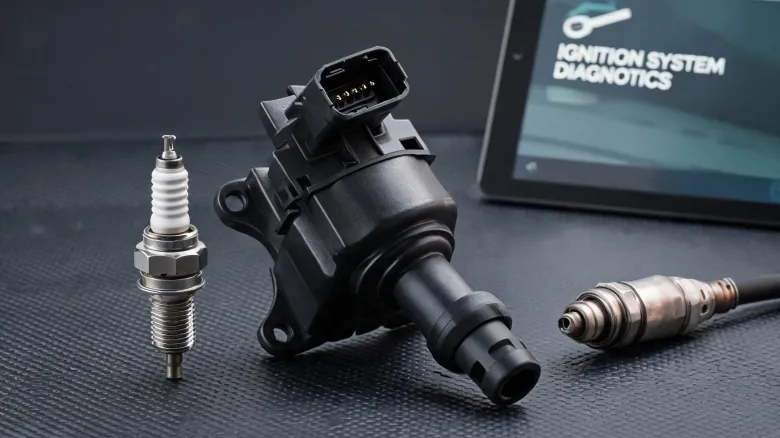
Treat catalytic converter cleaner as maintenance, not as a repair. In our cost tracking, the cheapest way to 'fix' a converter is to fix the root cause first. That's usually a spark plug, a coil, or a fuel mixture issue. The cleaner becomes a $12 gamble when the hard parts are already failing.
5. Optimal sourdough starter temperature and the bigger point
Yes, I'm including bread in an automotive parts article. I searched for optimal sourdough starter temperature after a failed batch of sourdough. The top results said 75 to 80°F. A baker friend corrected me: warmer starter ferments faster and produces a milder tang; cooler starter ferments slower and gives a deeper sour profile. Both are optimal for different loaves.
That's exactly the lesson for automotive sourcing. The optimal transmission temperature for a delivery van pulling grades is not always the same as for a passenger car. The optimal brake disc lathe setup for a high-volume rotor shop is not the same as for a rural garage doing two brake jobs a week. And the optimal choice between a stamped part, a forging, an aluminum extrusion, and a CNC-machined component depends on volume, load, weight targets, and cost tolerance. That's why at Optimal, we don't sell one 'optimal' answer. We evaluate the whole system, including your tooling, your quality requirements, and your customer's expectations.
What I check before calling anything 'optimal'
- Total cost, not sticker price: Include rework, downtime, hidden fees, and customer goodwill.
- Output quality: A part that meets a number on a print but looks and feels low-grade will change how customers see your brand.
- System fit: Does this machine, fluid, or additive work with the rest of your process?
- Supplier capability across processes: One source that can stamp, machine, forge, and extrude often beats a cheaper single-process bid.
When I switched our rotor finishing from the budget option to a better brake disc lathe, customer feedback scores improved by 23% over the next two quarters. A $50 difference per brake job translated into noticeably better retention. The output is your brand. Skimping on the visible details will cost you more in reputation than you save in invoices.
Where 'optimal' gets tricky
Let me be honest about the boundaries. Sometimes the cheapest answer is the right one. If you machine two rotors a month, a used brake disc lathe with good tooling is a no-brainer compared to a $30,000 CNC lathe. If you have a fleet of old trucks with minor transmission issues, the optimal maintenance plan may be a strict fluid change schedule rather than expensive diagnostic work. Not every situation needs the highest-tolerance process.
But 'cheap for the sake of cheap' is not optimal. That's usually the most expensive route. The 'free setup' offer cost us $450 in hidden fees. A low-priced injection molded part failed in the field and created a warranty claim that wiped out the savings.
Prices and labor rates mentioned here were accurate as of Q4 2024. The automotive aftermarket changes fast, so verify current specs and pricing before making a decision. And if you see a single number described as 'optimal' for everything, treat it as a starting point, not a contract.

Elise Novak
Elise Novak is an automotive braking systems analyst specializing in brake pads, discs, rotors, calipers, shoes, drums, hoses, and complete brake kits. She uses UN Regulation 90 requirements and ISO 26867 dynamometer methods to examine friction stability, fade and recovery, wear, disc thickness variation, runout, and hydraulic integrity. Her work helps distributors, quality teams, and fleet buyers compare replacement parts, verify application suitability, and define incoming-inspection criteria.