Service workflow

Guided sourcing support for catalog teams and service channels

Optimal service support starts where most aftermarket mistakes begin: incomplete application context. The team helps buyers connect Cooling System Parts, Ignition & Electrical Parts, and Driveline & Clutch Parts to the vehicle data, batch notes, and channel expectations that sit behind a quote request.

Instead of treating every inquiry as a single part number, Optimal organizes the request around fitment evidence, usage setting, and replenishment rhythm. That approach gives independent repair workshops a clearer route to first-time selection, gives dealer service departments a record of category assumptions, and gives wholesale replacement-parts buyers a cleaner way to compare stocked ranges.

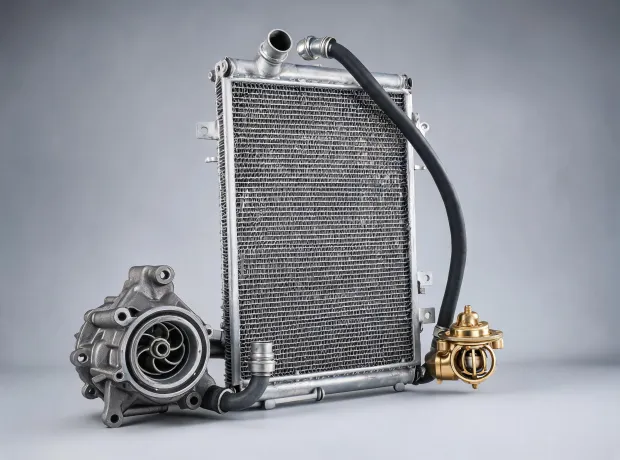
Cooling system parts arranged for service workflow review
01

Fitment intake and cross-reference review

The intake process captures vehicle range, OE reference, installed part context, and known return history. That information is checked before the recommended category path is confirmed. Cooling parts may need notes about radiator core style, hose-neck position, thermostat temperature range, and pump housing interface. Ignition and electrical parts may need connector, plug, sensor, or diagnostic context. Driveline and clutch parts may need transmission family, spline count, or service pattern.

02

Distributor and workshop quote preparation

Once the application path is clear, Optimal packages the response around ordering decisions: category availability, documentation, expected channel role, and any compliance notes that apply to emissions-sensitive ranges. The output is intended to help counter teams, catalog managers, and sourcing desks make the next decision without asking a technician to repeat the same fitment story across email threads.

Advisor notes

Common service questions

What information should a quote request include?

Include the target category, vehicle application, OE or aftermarket reference, expected quantity, destination market, and any known service issue. For radiator or water pump inquiries, photographs of mounting interfaces and hose routing can shorten the review.

How does Optimal help reduce wrong-part returns?

The team keeps fitment, cross-reference, and application data near the commercial request. That lets buyers compare the part against the service setting before inventory is committed or a counter staff member has to manage an avoidable return.

Can the team support mixed category programs?

Yes. Many distributors ask for cooling parts alongside ignition and driveline ranges. Optimal structures those programs by category family, documentation requirement, and channel role so each family is evaluated with the right technical assumptions.

Where do compliance records fit?

Compliance records are handled at the applicable range level. CARB or EPA guidance may apply to emissions-related parts, while PPAP or APQP records can be requested for supplier qualification discussions.

Before structured intake

Requests move through scattered part numbers, partial vehicle notes, and disconnected emails. The buyer may receive a price but still lack confidence in mounting interfaces, category substitutions, or channel availability.

After Optimal review

The quote includes a clearer product family, application assumptions, fitment-support notes, and a route for distributor or workshop ordering. The conversation becomes easier to archive, compare, and repeat across replenishment cycles.

Send the vehicle and channel context once.

Optimal will use it to frame the category review and keep fitment details visible throughout the sourcing conversation.

Fitment request

Send your sourcing details

Share the application, category, and channel context so the Optimal team can route your inquiry to the right desk.