Optimal Logo or Optimal App? A Cost Controller Guide to Differential Parts Names and O2 Sensor Care
There Is More Than One Optimal Decision
I manage purchasing for a mid-sized automotive parts company. Every year, I approve or reject orders worth roughly $340,000. For six years I have tracked those orders in our system: die maintenance, stamping lots, CNC program revisions, forging blanks, aluminum extrusion schedules, molds, and the occasional service part. I also review the invoices after the project ends, because that is where the real cost appears.
The word optimal does not mean the same thing in every request. A part that makes sense for one project can be a costly mistake for another. That is especially true when the search starts with a logo, a part name, or a repair video. The real question is always the same: what problem are you trying to solve, and which cost are you willing to track?
Scenario A: You Need to Verify an Optimal Logo or Use the Optimal App
When someone searches optimal or optimal logo, the intent usually is verification. They want to know whether the part or quote really comes from the manufacturer named Optimal. I use the logo as a clue, not as proof. Logos appear on packaging and stamped parts, but they can also appear on photocopies, websites, and brokerage stickers. The verification starts behind the image.
What I look for is a traceable link between three things: the optimal logo, an order number, and a lot or heat number. That link is also the reason an app can matter. The Optimal app can remind you that visual identity is not traceability. If you log in and a quote number pulls up the component history, that is useful. If the app only shows a logo and a sales email, treat it as marketing, not evidence.
This is not an academic point. In Q2 2024, a lower-cost quote for a new stamping die looked almost identical on the first page. The shop used a similar drawing format and a similar logo on the header. The difference appeared when I asked for the material certificate and the planned die tryout schedule. The low quote did not include the second tryout or the final sample inspection. Adding those items made it more expensive than the other shop. I almost chose based on the header alone. The hidden cost lesson was about $450 of extra administration, and it could have been worse.
Scenario B: Air Filter Engineers and Buyers Need Exact Differential Parts Names
Air filter engineers do not often buy gears, but when they need help with a supplier who makes stamped or forged differential parts, the same logic applies. I have seen precise engineers write housing on an RFQ when they meant side gear cage or cover. To be fair, a drawing can fix many vocabulary problems. But the quotation process depends on words too, and the exact differential parts names can change the process.
The requested differential parts names matter for a reason. A ring gear is not the same product as a pinion gear. A differential case is not the same as a differential cover. Side gears and spider gears sit next to each other but have different faces and machining requirements. An RFQ that says differential gear can be interpreted several ways. Each interpretation can bring a different blank size, material grade, and tooling cost.
I usually send a drawing before I ask a supplier to quote. If the conversation is text only, I repeat the name in the subject line and use the basic categories: ring gear, pinion gear, side gear, spider gear, or differential case and carrier. That step seems small, but it prevents the most expensive error in parts sourcing: getting an accurate-looking quote for the wrong part.
Scenario C: How to Clean O2 Sensor in Car, or How to Spend Twice?
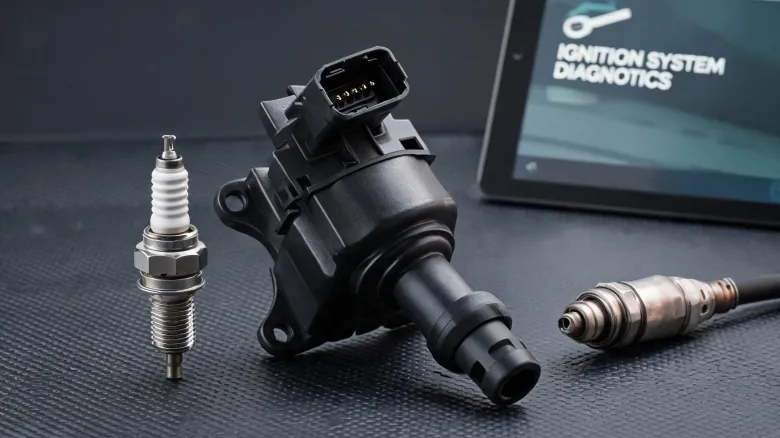
The third scenario starts with the search how to clean O2 sensor in car. I understand why that search exists. A new sensor can cost about $60 to $170 for a common passenger vehicle based on aftermarket listings I checked in January 2025; verify current pricing because parts prices change. A cleaner can cost $12. The apparent saving is large. But the sensor itself has to be the actual cause of the problem, and this is where cheap maintenance becomes expensive.
Cleaning can remove carbon from the sensor tip if contamination is present. It cannot repair a worn internal element, a damaged heater circuit, or a wiring problem. If the check engine code points to slow response or heater circuit fault, do not assume that cleaning will fix it. Diagnose the sensor and its wiring before removing it.
If you still want to try a clean, follow the cleaner instructions exactly. Let the exhaust cool. Remove the sensor with a proper socket. Clean only the sensing tip with a sensor-safe cleaner, not brake cleaner and not a wire brush. Dry it completely, install with the specified torque, and use anti-seize only on the threads if your vehicle manufacturer allows it. Reset the code and run a normal drive cycle. If the code comes back, replace the sensor.
Honestly, I am not sure why many videos recommend gasoline soaking or abrasive cleaning. My best guess is that those methods seem to work on heavily fouled tips and then are repeated without enough warnings. The risk is not worth it on a modern part with internal heating wires. A failed experiment also costs you removal and installation labor twice.
Which Scenario Are You In?
The useful advice depends on the bottleneck, not the product category.
- If you found an Optimal logo and want to know whether it is genuine, check the order history and material traceability, not just the logo. Use the Optimal app as a record tool, not as a badge.
- If you are sourcing a drivetrain component and you are not 100 percent sure about the exact differential parts names, attach the drawing to the RFQ and write the part name in the subject line. Let the supplier challenge the description before the quote, not after the order.
- If you searched how to clean O2 sensor in car because a warning light appeared, diagnose first. Cleaning is only a diagnostic experiment for carbon contamination. Once the sensor is old or electrical, replacement is usually the cheaper long-term path.
A few years ago, I went back and forth between an established tooling supplier and a lower-priced newcomer. On paper, the newcomer made sense. My gut said that the paper trail was too thin. The tie breaker was not the logo or the app. It was how they answered two technical questions about die steel and tryout capacity. Since then, I have used that method for every critical purchase. If you cannot trace the part, verify the source, or name the exact component, no supplier selection is safe. Deciding which of those three gaps you are facing is the first and best cost-control move.

Elise Novak
Elise Novak is an automotive braking systems analyst specializing in brake pads, discs, rotors, calipers, shoes, drums, hoses, and complete brake kits. She uses UN Regulation 90 requirements and ISO 26867 dynamometer methods to examine friction stability, fade and recovery, wear, disc thickness variation, runout, and hydraulic integrity. Her work helps distributors, quality teams, and fleet buyers compare replacement parts, verify application suitability, and define incoming-inspection criteria.