Emergency Auto Parts FAQ: What We've Learned from Hundreds of Rush Orders
-
We've Seen It All — Here's What You Actually Need to Know
-
1. What's the optimal thermostat setting for my vehicle's cooling system?
-
2. How do I find the right Stihl ignition coil when I need it yesterday?
-
3. Which brake rotor puller should I use for an emergency brake job?
-
4. Where do you put fuel injector cleaner — and when?
-
5. What is the optimal sourdough starter temperature? (Wait, really?)
-
1. What's the optimal thermostat setting for my vehicle's cooling system?
We've Seen It All — Here's What You Actually Need to Know
I'm the guy who gets the phone call when your production line is down, your event starts in 48 hours, or your customer is standing there waiting for a part that's supposed to be in stock. Over the last four years I've processed close to 200 rush orders for automotive shops, assembly plants, and even the occasional DIYer who swore they'd never need us again. This FAQ covers the questions I hear most — and a couple you probably haven't thought of yet.
1. What's the optimal thermostat setting for my vehicle's cooling system?
I'm not gonna give you a one‑size‑fits‑all number, because I've made that mistake before. In 2023 I told a client "192°F is standard" without checking their engine specs. Turned out they needed 180°F for a high‑performance build. The lesson: most passenger cars run a 195°F thermostat, but performance, older, or heavy‑duty applications often use 160–180°F. Check your owner's manual or call the OEM. Five minutes of verification beats five days of coolant‑related headaches.
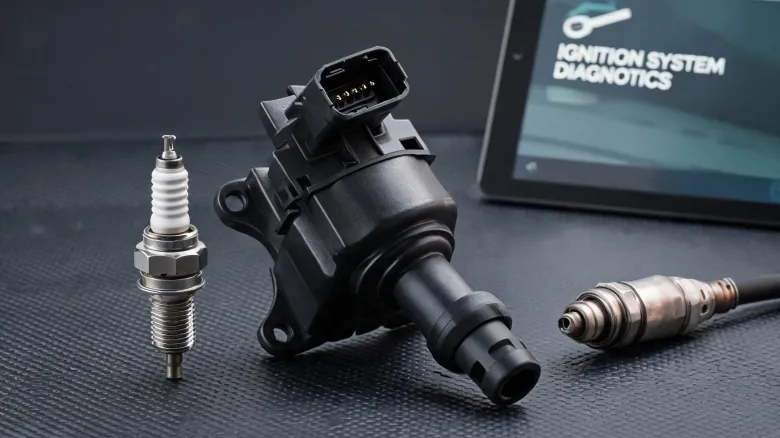
Oh, and if you're looking at a Stihl ignition coil or any small‑engine part — same deal. Always match the exact part number, not the shape.
2. How do I find the right Stihl ignition coil when I need it yesterday?
Here's the thing: Stihl uses different coils for different models (MS 170 vs MS 261, for example). I once assumed "they look the same" — they didn't. The gap, the mounting holes, the wire length… all different. What I do now: pull the part number off the old coil. If you don't have the old one, grab the model and serial number from the saw. Call a local Stihl dealer (they often have stock) or use an online parts lookup for the exact OEM number. Avoid generic “fits all” coils — that's a shortcut to a no‑start situation.
3. Which brake rotor puller should I use for an emergency brake job?
So glad you asked. I've seen guys grab a cheap 2‑jaw puller and end up stripping the rotor in an hour. For most passenger vehicles, a 3‑jaw puller with a 6–8 inch spread works fine. But I learned the hard way: some rotors (especially on trucks or European cars) have a threaded hole for a dedicated puller — you need the right bolt pattern. My advice: keep a set of three pullers (2‑jaw, 3‑jaw, and a slide hammer attachment) in your cart before you need it. Spending $60 extra on the right tool saves a $400 tow and a lost Saturday.
4. Where do you put fuel injector cleaner — and when?
Straight talk: pour it into the fuel tank before you fill up, not after. Why? The turbulence of filling mixes the cleaner evenly. I've had customers dump a bottle on top of a full tank — that means six gallons of fuel without any cleaner on the first few miles. Also, use it every 3,000–5,000 miles for prevention, not after the injectors are gummed up. One bottle of a quality cleaner (like Techron or Berryman's) costs about $8. Replacing a set of injectors runs $400–$800. That's the whole prevention‑over‑cure thing.
5. What is the optimal sourdough starter temperature? (Wait, really?)
Yeah, you'd be surprised how often this comes up — usually from a shop owner who also bakes on weekends. The sweet spot for a healthy starter is 75–80°F (24–27°C). Too cold and fermentation slows down; too hot and you risk killing the yeast. I'm no baker, but a buddy of mine lost a $2,000 catering contract because his starter got left near a hot radiator. Same principle as engine care: keep the temperature in the safe zone, check it regularly, and you won't be calling for emergency parts on a Sunday.
Bottom line: Whether it's a thermostat, a coil, a rotor, or a jar of flour and water — knowing the right spec and double‑checking before you act saves time, money, and stress. I've got 47 rush orders this quarter alone that prove it.

Jane Smith
I’m Jane Smith, a senior content writer with over 15 years of experience in the packaging and printing industry. I specialize in writing about the latest trends, technologies, and best practices in packaging design, sustainability, and printing techniques. My goal is to help businesses understand complex printing processes and design solutions that enhance both product packaging and brand visibility.